9 Things That Make a Home Look Cheap, And How Avalanche Creations Designs Beyond Them

Avalanche Creations
Learn why some homes look cheap and how thoughtful interior design decisions shape spaces that feel cohesive, polished, and intentional.
A home rarely looks "cheap" because of one bad purchase.
More often, it's shaped quietly over time, through choices that never felt wrong when they were made.
Furniture that fits the budget but not the room. Finishes chosen room by room instead of as a whole. Lighting added last, once everything else was already in place. None of these choices feel wrong on their own, yet together they shape how a space is read, and whether it feels considered or unfinished.
Interior designers notice these patterns quickly because they repeat themselves across homes of all sizes and budgets. The difference between a space that feels elevated and one that doesn't usually has very little to do with cost, and everything to do with proportion, cohesion, and planning.
This article looks at the most common design decisions that quietly make homes feel less refined than they could be, and the thinking designers use to avoid them. Not to point out flaws, but to show how thoughtful choices, made early and intentionally, can change the entire feel of a home.
What Makes a Home Look Cheap
1. Too Much in One Room
Clutter isn't always about mess. Sometimes it shows up as too much effort.
Rooms filled with décor on every surface, shelves packed from end to end, and furniture pushed into every corner can feel visually heavy. Even expensive pieces lose impact when there's no space around them.
Well-designed homes allow space to breathe. Designers are selective about what stays visible, using negative space as part of the composition. The result feels calmer, more confident, and more intentional.
2. Inconsistent Flooring
Flooring quietly sets the tone for an entire home.
When different rooms introduce unrelated floor finishes without a clear plan, the home begins to feel broken up. The eye keeps stopping and starting, rather than flowing naturally.
Designers think of flooring as a connecting thread. Whether it's consistent material or carefully planned transitions, cohesion across spaces immediately elevates how a home is experienced.
3. Decorating Before Understanding Scale
Proportion is one of the fastest giveaways of an unresolved interior.
Oversized sofas crammed into small living rooms. Tiny artwork floating on large walls. Curtains that stop awkwardly short of the floor. None of these issues relate to taste or budget, they're scale problems.
Designers assess scale early. Furniture, lighting, and décor are selected based on room dimensions, ceiling height, and circulation. When proportions align, even simple spaces feel balanced and complete.
4. Windows Treated as an Afterthought
Windows are often overlooked, yet they shape how a room feels more than most people expect.
Curtains that are too short, too narrow, or made from lightweight fabrics can flatten a space instantly. Even well-finished rooms can feel unfinished when window treatments are treated as an afterthought.
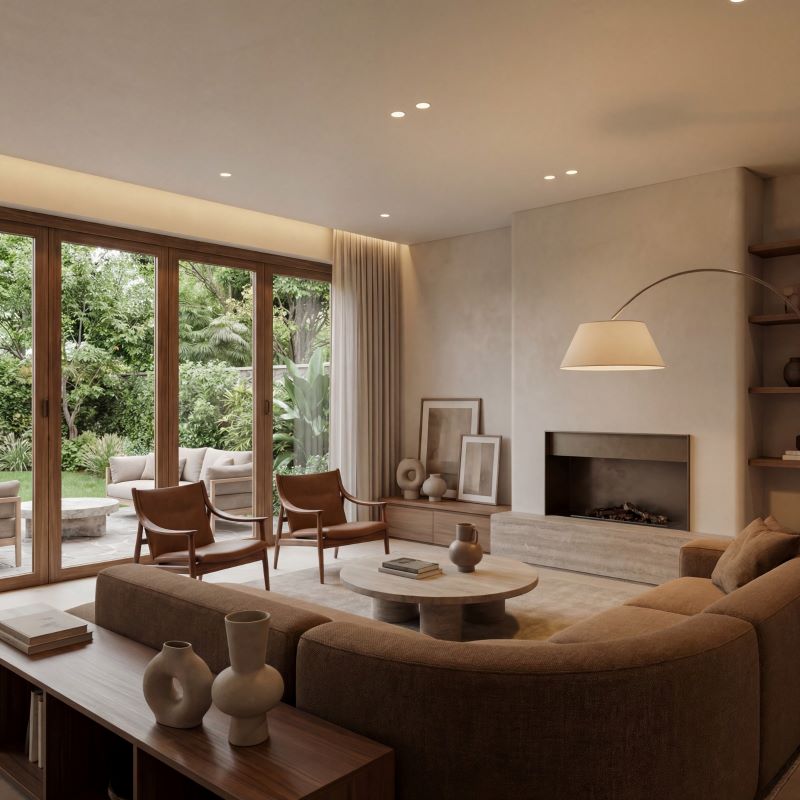
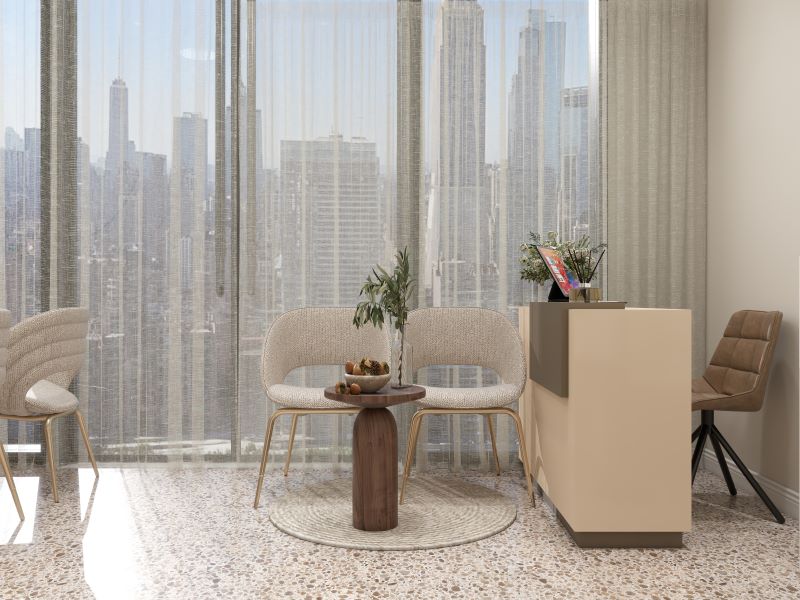
Design-led interiors approach windows with intention. Height, fullness, lining, and fabric weight are considered early, allowing curtains to frame the room and soften light in a way that feels refined.
5. Lighting That Only Solves Brightness
Bright spaces aren't always inviting ones.
Homes that rely entirely on overhead lighting often feel flat and utilitarian. Textures disappear, and evenings can feel harsh instead of warm.
Layered lighting changes this entirely. Ambient lighting sets mood, task lighting supports function, and accent lighting adds depth. This layered approach instantly makes a space feel more considered and comfortable.
6. Buying Matching Furniture Sets
When every major piece in a room matches perfectly, the space often loses character.
Matching furniture sets remove contrast and hierarchy. Nothing stands out, and nothing feels intentionally chosen. The room may look "done," but it rarely feels designed.
More refined interiors mix pieces with intention. A strong anchor piece sets the tone, while supporting furniture complements it in scale and material, not duplication. This approach adds depth and personality, regardless of budget.
7. Ignoring The Details
Small details tell big stories.
Switches, handles, taps, and fittings are touched every day. When they're generic or mismatched, they quietly undermine the overall design, making the space feel incomplete.
Designers treat these elements as part of the home's language. Repeating finishes and choosing hardware that aligns with the overall aesthetic brings cohesion, even when the choices themselves are subtle.
8. Treating Color as Decoration, Not Structure
Color decisions made room by room often lack continuity.
Without an overall palette, homes can feel disjointed. Feature walls appear without context, and colors clash rather than support one another.
Designers use color structurally. Palettes are limited, repeated, and refined across spaces, creating a sense of flow that allows even bold colors to feel intentional.
9. Designing Room by Room Instead of Seeing the Whole
One of the most common reasons a home feels cheap is fragmentation.
When each room is designed separately, styles shift, materials change, and nothing quite connects. The home feels assembled rather than composed.
Strong interiors are designed as a whole. Decisions in one room support the next, creating continuity that makes the entire home feel resolved and thoughtfully planned.
Why Thoughtful Design Matters More Than Bigger Budgets
There's a common misconception that homes only look refined when more money is spent.
In reality, great design is about clarity, not excess. Many of the issues that make a home feel cheap come from rushed decisions, isolated choices, or lack of overall planning, not limited budgets.
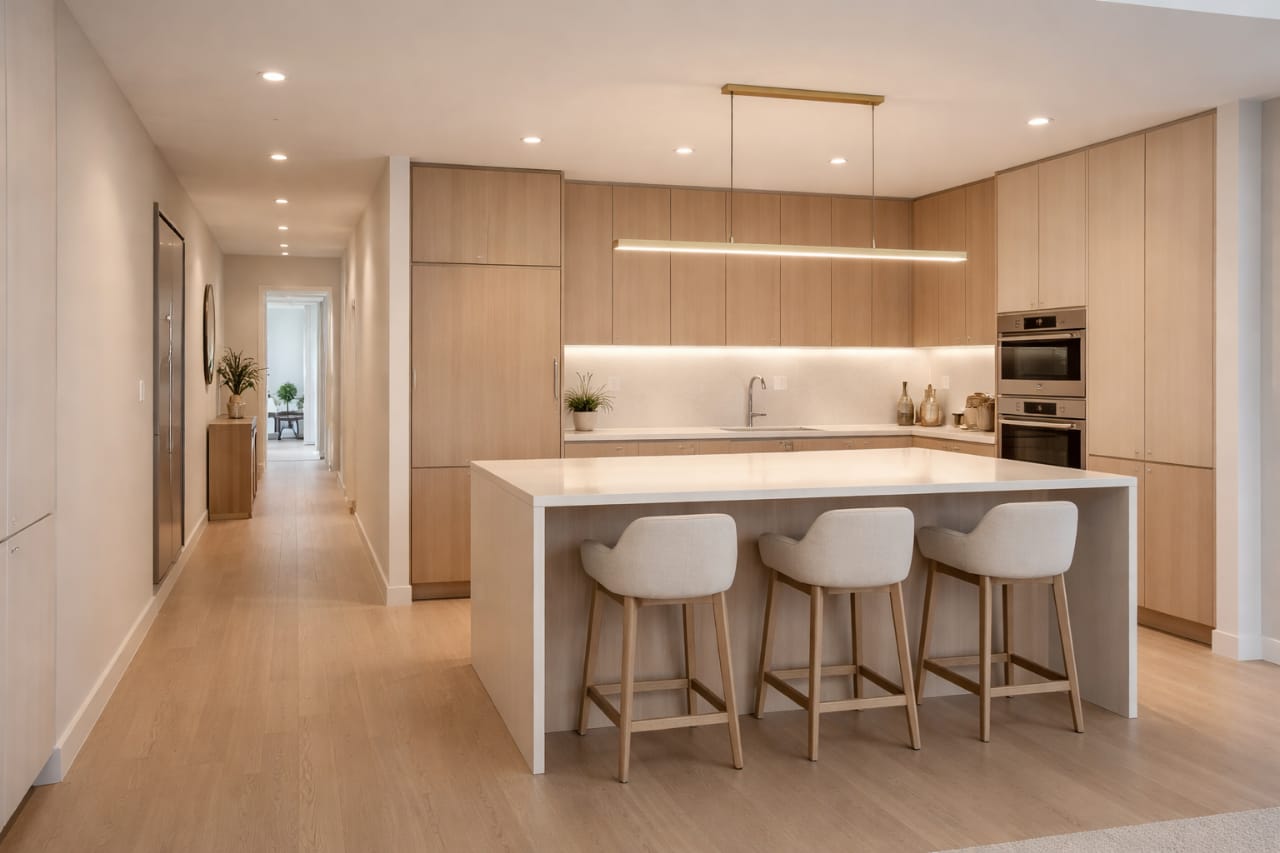
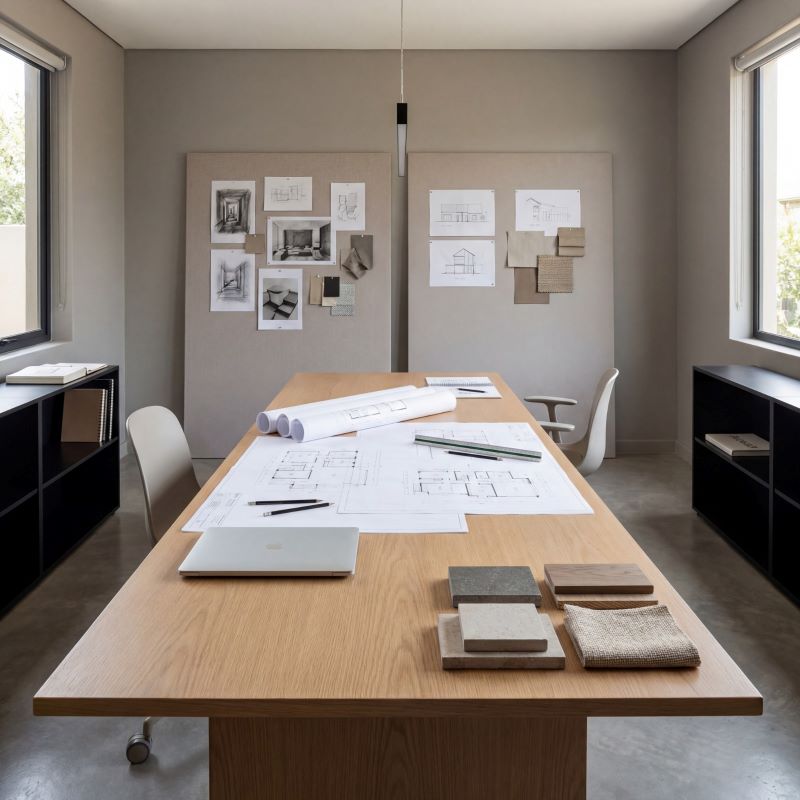
At Avalanche Creations, design begins with understanding how a space should function and feel before anything is purchased. When layout, lighting, materials, and details are aligned early, even modest budgets can achieve spaces that feel intentional, calm, and enduring.
Refinement comes from choosing well, not choosing more.
Frequently Asked Questions
Every homeowner approaches design with different concerns — budget, longevity, resale value, or simply wanting a space that feels right. These are some of the most common questions we hear when clients want their homes to feel more refined without unnecessary spending.
Can a home look high-end on a limited budget?
Yes. Prioritizing proportion, cohesion, and planning often has more impact than adding expensive finishes later. Thoughtful design choices stretch budgets further.
Why do some new homes still feel cheap?
Because decisions were made quickly or in isolation. New finishes don't guarantee good design. Homes feel elevated when layout, lighting, color, and detailing work together.
Do I need custom furniture to avoid a cheap look?
Not always. But when standard furniture doesn't fit a space properly, tailored solutions can resolve scale and layout issues that off-the-shelf pieces can't.
Does making a home look refined always require a full renovation?
Not necessarily. Many homes feel cheaper than they should because of surface-level decisions made without an overall plan. Improving lighting, correcting scale, or refining window treatments can significantly elevate a space without structural changes.
What's the fastest way to improve a home that feels cheap?
Lighting, scale, and cohesion usually create the quickest impact. Layered lighting, better furniture proportions, and simplified finishes can change how a space feels almost immediately.
How do designers decide where to spend and where to save?
Designers prioritize elements that affect daily experience and longevity, such as layout, lighting, and durable finishes. Savings are often found in decorative layers or low-wear areas.
Final Thoughts
A home that feels refined doesn't try to impress.
It feels settled, cohesive, and easy to live in. That level of clarity comes from seeing the whole before filling the space.
We're here to listen, understand, and bring your vision to life. Let's talk about your space