How to Design a Home That Feels Personal, Not Cookie-Cutter

Avalanche Creations
Designing a home that feels personal goes beyond trends. Learn how layout, lighting, materials, and customization create interiors that reflect how you actually live.
Homes that feel personal are rarely loud about it.
They don't rely on dramatic statements or trend-heavy finishes. Instead, they reveal themselves slowly, through how spaces are used, how light moves through rooms, and how easily daily life unfolds within them.
Many homeowners sense when something isn't quite right in their space, even if they can't immediately explain why. The rooms function, the furniture is new, yet the home still feels generic. This isn't a failure of taste. It's usually the result of design decisions made without enough attention to context.
Designing a personal home requires a different way of thinking, one that starts with observation rather than inspiration.
Why So Many Homes End Up Looking the Same
Personal Homes Are Shaped by Habits, Not Trends
Trend-driven interiors often look convincing at first. They photograph well, reference familiar styles, and follow visual rules that are easy to replicate. What they lack is specificity.
Personal homes begin elsewhere. They take cues from daily habits: how mornings begin, where bags and shoes naturally collect, how evenings wind down. These patterns shape layout, storage, lighting, and circulation far more effectively than any reference image.
Designers notice this immediately when entering a space. In homes that feel considered, movement feels intuitive. Nothing interrupts the flow. Furniture supports how the room is used rather than dictating it. These outcomes come from decisions grounded in real life, not visual trends.
Why "Good Taste" Alone Isn't Enough
Many homeowners approach design with a strong sense of style. They know what they like, what they're drawn to, and what feels aesthetically pleasing. Style matters, but on its own, it doesn't guarantee a successful interior.
Homes that rely solely on taste often struggle with proportion, scale, and balance. A beautiful sofa may overwhelm the room. Artwork may feel disconnected from the architecture. Lighting may highlight surfaces but fail to create atmosphere.
Design bridges the gap between taste and livability. It translates preference into spatial decisions, ensuring that beauty supports function rather than competing with it.
Layout Decisions Quietly Define How a Home Feels
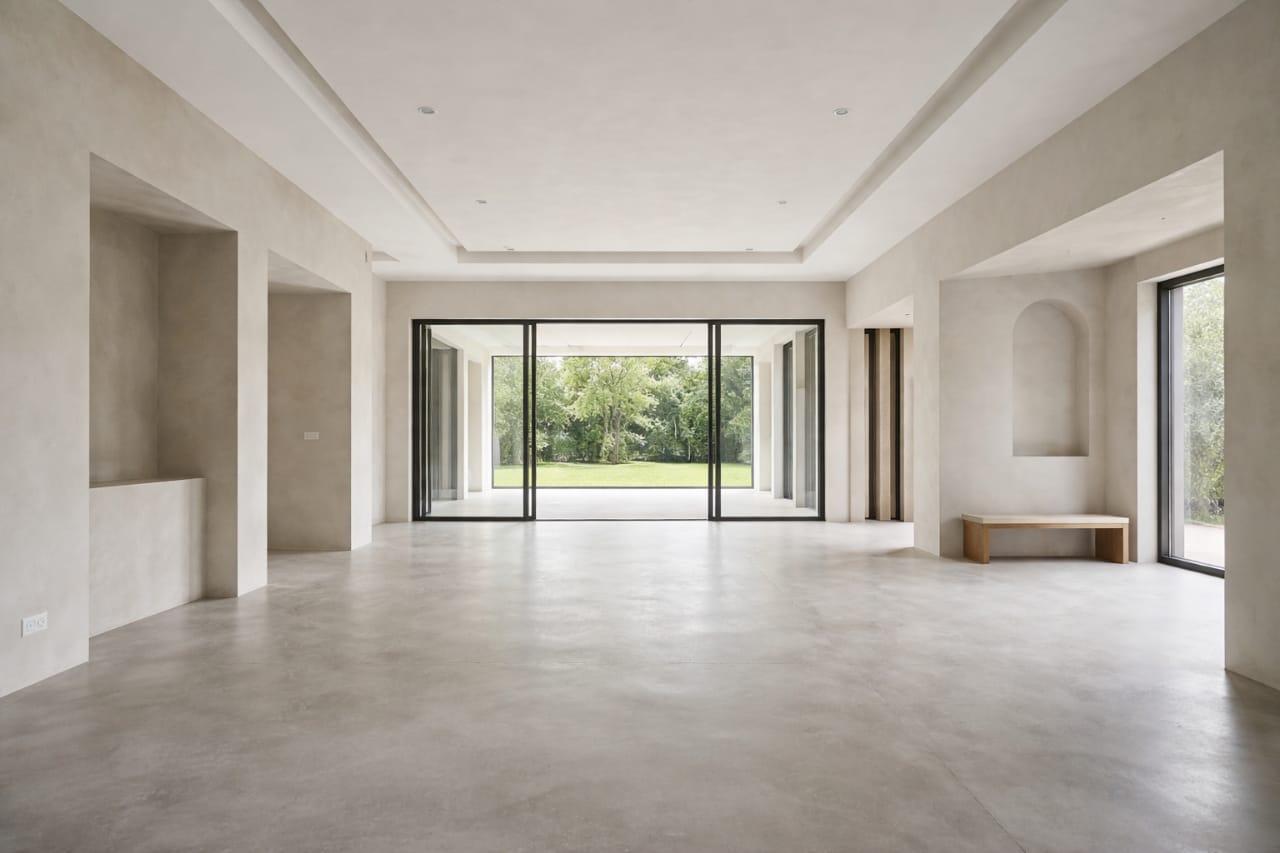
Layout is one of the most underestimated elements of interior design. Once walls are set and circulation paths established, the experience of a home is largely defined.
In cookie-cutter interiors, layout is treated as fixed and unquestioned. Furniture is arranged to fit the plan rather than challenge it. In personal homes, layout is examined closely. Designers look for opportunities to improve flow, redefine zones, and create breathing room where it's needed.
Small adjustments, repositioning a doorway, rethinking how rooms connect, reconsidering furniture orientation, often have a disproportionate impact on how a space feels.
Lighting Reveals Whether a Space Was Truly Designed
Lighting is one of the clearest indicators of design intention.
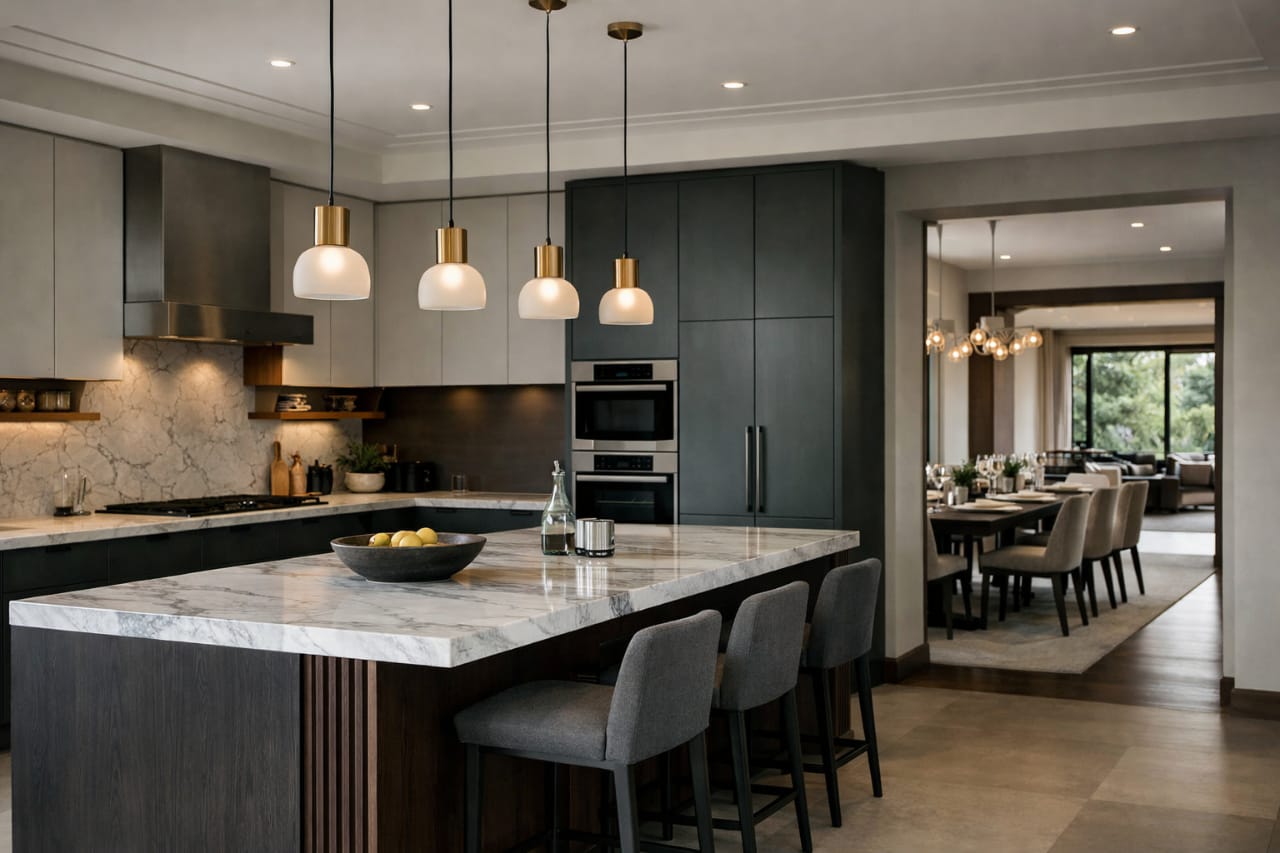
Spaces that rely on a single overhead light tend to feel flat and temporary. They function, but they don't adapt. In well-designed homes, lighting shifts throughout the day. Task lighting supports activity. Ambient lighting softens the room. Accent lighting adds depth and focus.
Designers plan lighting alongside layout and furniture, not after the fact. When lighting is treated as an integral layer rather than a technical requirement, spaces gain warmth and flexibility. The difference is felt immediately, even if it's not consciously noticed.
Materials Should Relate to Each Other, Not Compete
Personal interiors rarely use more materials than necessary. Instead, they rely on repetition and restraint.
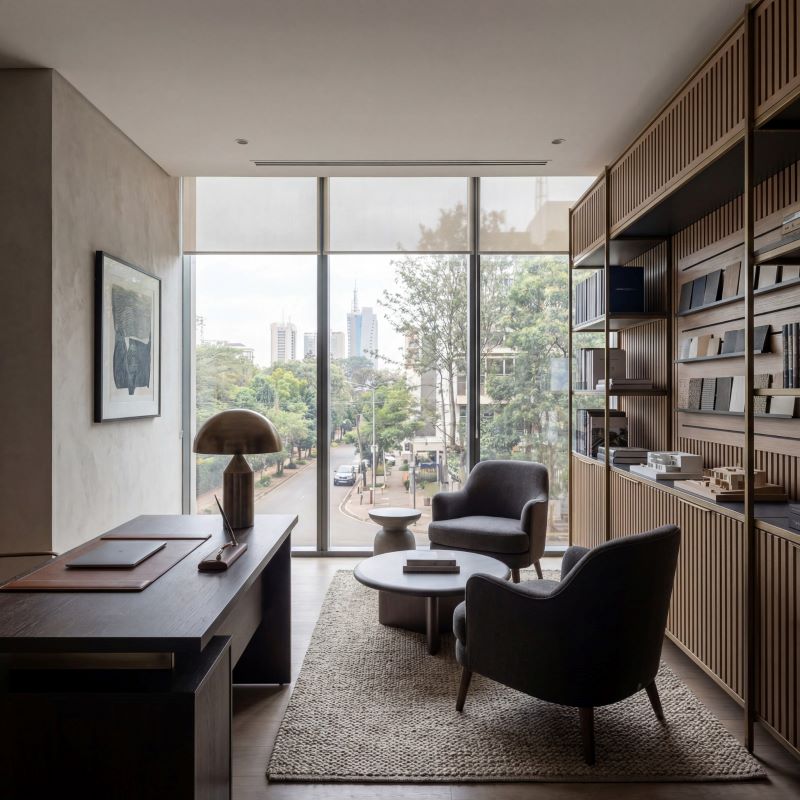
When finishes are selected in isolation, homes can feel busy despite high-quality materials. Designers think in systems. Wood tones echo across rooms. Metals are repeated intentionally. Textures balance each other rather than compete for attention.
This cohesion allows individual elements to feel purposeful. Nothing is included simply to fill space. Every material contributes to the overall rhythm of the home.
Customization Is Often About Fit, Not Luxury
Custom furniture and tailored solutions are sometimes misunderstood as indulgent choices. In practice, they're often practical ones.
Standard furniture is designed to fit average spaces. Real homes rarely conform to averages. Customization allows pieces to respond to exact dimensions, circulation paths, and functional needs. A sofa that fits the room precisely. Storage that aligns with how a household operates. Built-ins that resolve awkward corners rather than ignore them.
These decisions rarely draw attention to themselves. They simply make the space work better, which is often what makes a home feel refined.
Why Some Homes Feel Finished and Others Don't
The difference between a home that feels finished and one that feels perpetually in progress usually comes down to cohesion.
In resolved spaces, decisions relate to each other. Layout, lighting, furniture, and materials support a single direction. There are fewer compromises, fewer afterthoughts, and fewer moments where something feels added simply because it was missing.
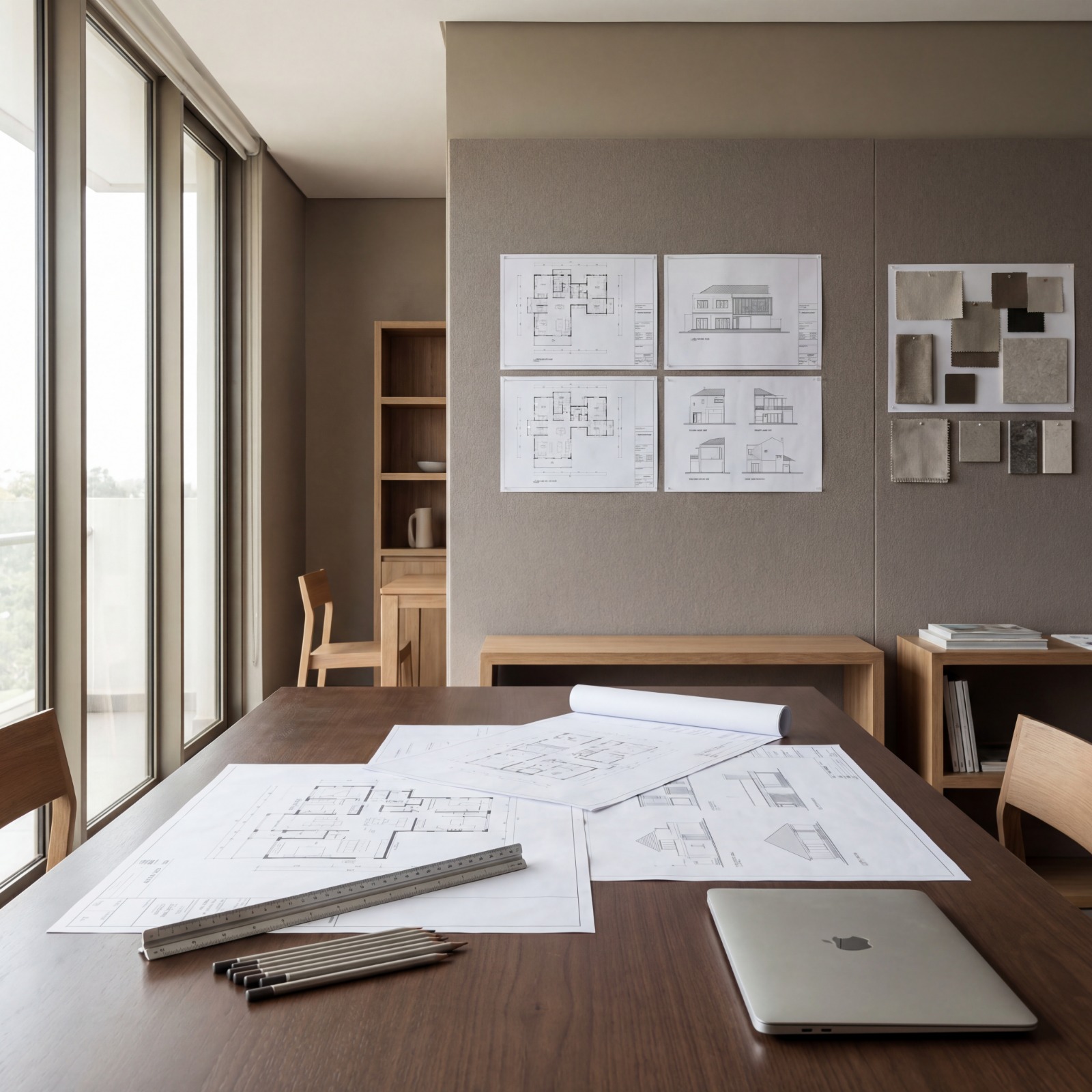
This level of alignment is difficult to achieve piecemeal. It requires stepping back, seeing the whole, and editing with intention. That's where professional interior designers add the most value, not by imposing style, but by guiding decisions toward clarity.
Designing a Home That Holds You
Personal homes don't demand attention. They offer support.
They make daily routines easier. They adapt as needs change. They age well because they were designed with care rather than urgency.
If your home feels close to right but not quite settled, the solution is rarely another purchase. It's usually a clearer understanding of how the space should serve you.
We're here to listen, understand, and bring your vision to life. Let's talk about your space